The Water We Want 2026 - All Other Media
Identifier: #133
 Winner
MEXICO
Iurhekua Interactive Water Museum
What He Used to See
Iurhekua Interactive Water Museum, Mexico. Crescendo School of Musical Education, Uruapan. Héctor Francisco Fabían Morales
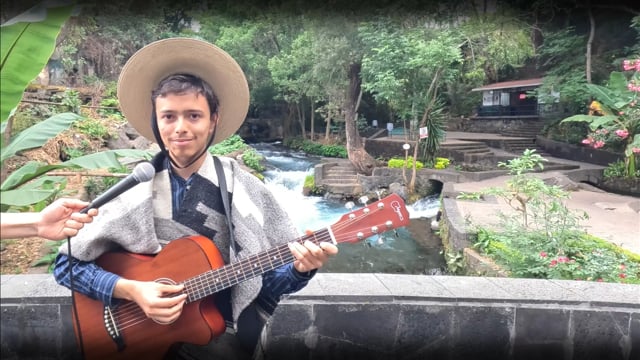
This video is an acoustic song about the importance of water and the future we want for it. Through music, it invites reflection on caring for and valuing water. The song was inspired by stories my grandfather told me about his childhood, when water was cleaner and much more abundant. The video was recorded in a natural setting, and I used traditional clothing from Michoacán to represent my cultural roots.
Identifier: #131
Winner
CHINA
Baiheliang Underwater Museum, Chongqing
Youth Guardians of Water Heritage
Chongqing Baiheliang Underwater Museum, China. Chongqing Jiaotong University.Tong Yixin.
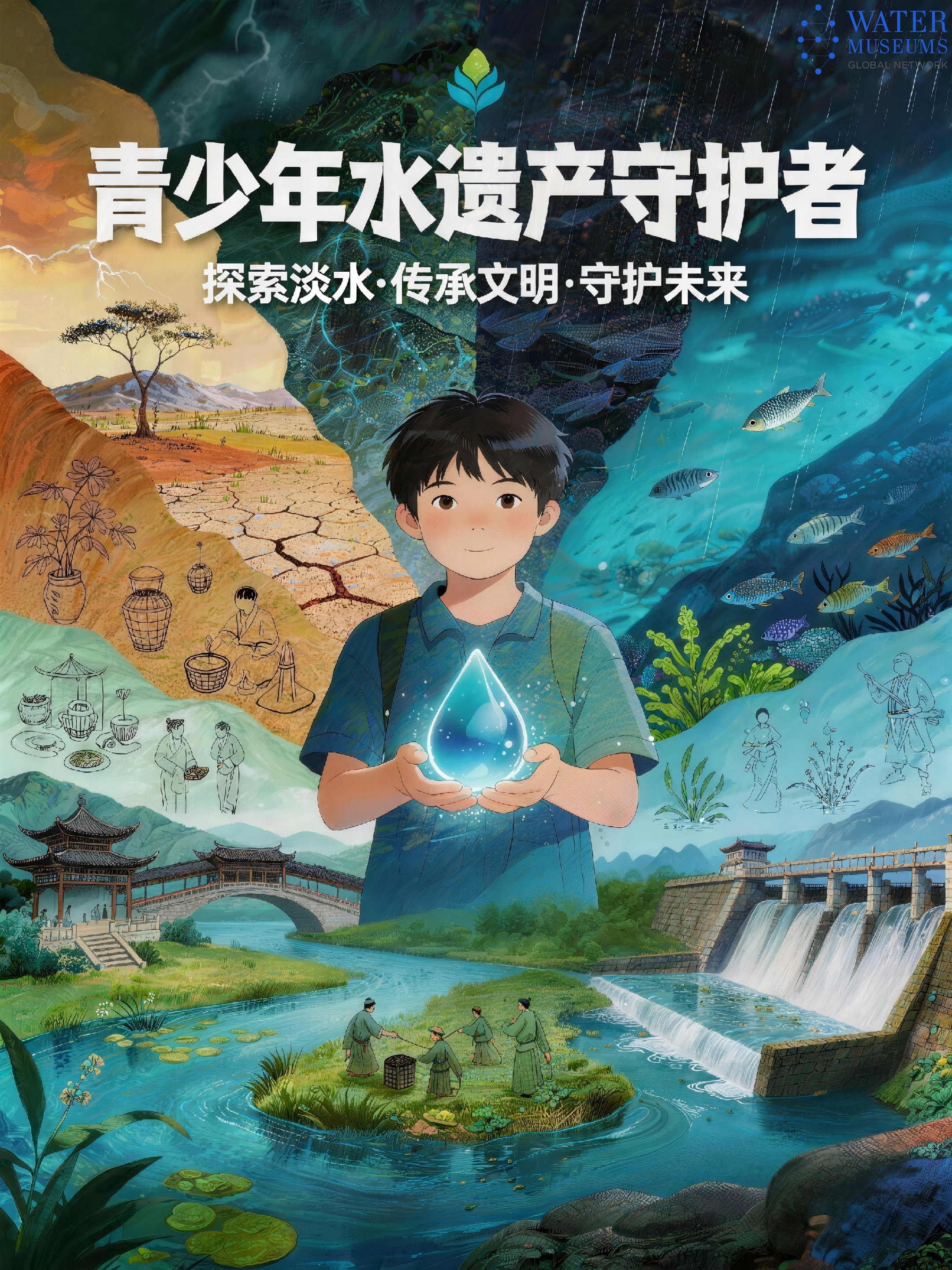
Centered on young people, this work presents freshwater ecosystems, water heritage and the climate crisis. It calls for the protection of freshwater, the inheritance of water civilization, and encourages everyone to be guardians of water heritage.
Identifier: #103
Winner
INDIA
Living Waters Museum
The Lifeline
Living Waters Museum. aProCh – Riverside Education Foundation, Ahmedabad. Anaahat Kaur. Meethi Sheth. Harleen Chaudhari. Maryam Memon. Samayra Lavsi. Ishani Shah. Tanush Dutt. Veerrudra Singh Gohil. Tamanna. Jeesha.
Rivers - This indispensable feature of our lives is so easily side-lined by none other than ourselves. A pause and deep observation creates a turnaround! We realize that RIVERS ARE A SOURCE OF LIFE AND NOT A RESOURCE! We realize our wrong doings and move ahead to set the wrongs right - with our mindful and heartfelt actions. Our thoughts and emotions are expressed through this performance called “The Lifeline”. It is written and choreographed by the students of grade 5 with support from their mentors.
Identifier: #143
 Special Mention
CHINA
National Water Museum of China
Water The Ripple Promise
National Water Museum of China, China. Zhejiang Yuying College of Vocational Technology. Kexin Han.
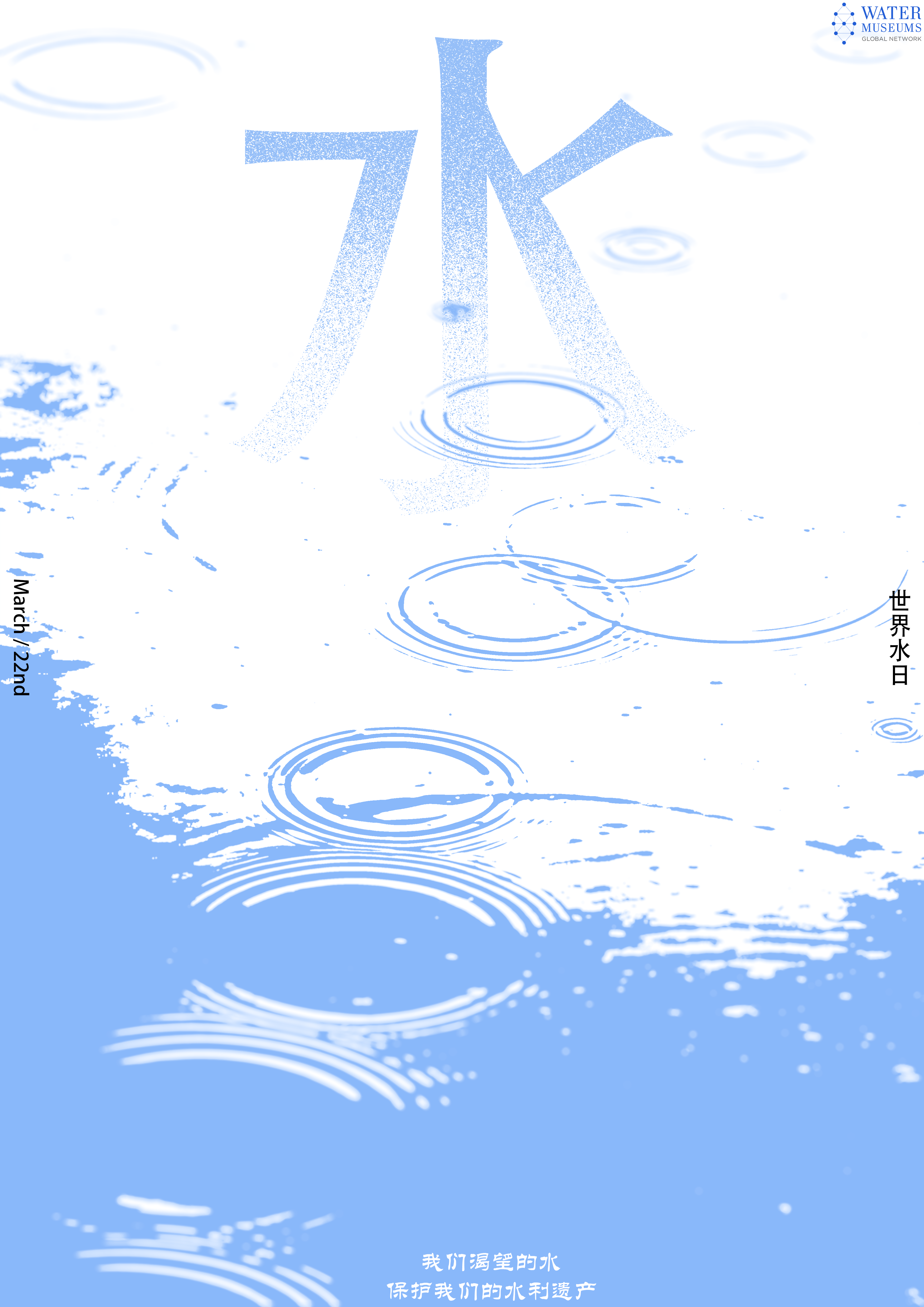
The poster features a clean blue-and-white palette, blending the Chinese character for "water" with flowing ripples. Droplets fall and send out rhythmic rings. "March / 22nd" appears on the left, "World Water Day" on the right, and the bottom reads "The Water We Want – Protect Our Water Heritage" to highlight the theme. Through the outward spread of water patterns, the image urges people to value the preciousness of water and to protect water heritage. On the occasion of World Water Day, the visual movement of water awakens the public's commitment to preserving water ecology and cultural legacies.
Identifier: #140
Special Mention
ITALY
Water Museum of Venice
Phytoremediaton basin
Water Museum of Venice, Italy. ICS 1 Piove di Sacco, middle school “G. Pascoli” Arzergrande, PD. Class: 1^A – 1^B.
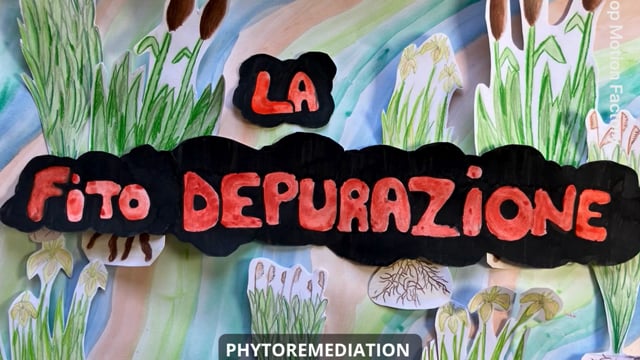
The video explains how a phytoremediation basin works. Fertilizers used in agriculture containing nitrogen and phosphates reach drains and ditches. From homes, organic substances and fecal bacteria can enter waterways through domestic sewage. From streets and urban areas, oils and hydrocarbons are washed into canals. Sometimes, small businesses can release detergents and light solvents into waterways. All these pollutants converge in the main canals, altering the balance of flora and fauna. To reduce pollution, the watercourse is channeled into the constructed phytoremediation basin. Some particles, such as suspended solids, settle to the bottom in a process called sedimentation. Bacteria, algae, and fungi degrade organic matter and, together with the roots, absorb nutrients. The water leaves the basin with a dramatically reduced amount of pollutants. Phytoremediation basins not only purify water, but also recreate the wetland ecosystem. Therefore, they constitute true oases of biodiversity where fish, birds, amphibians, reptiles, and insects thrive in areas depleted by human activity.

Identifier: #137
Special Mention
PORTUGAL
Lisbon Water Museum
Daily Waste
Lisbon Water Museum, Portugal. Agrupamento Escolas José Régio (Portalegre). Inês Florentino, Larissa Sales, Rodrigo Cruz, Luis Covas, Luís Carreiras.
This project is part of an activity of the Eco-Schools program of the José Régio School Group, in Portalegre. Stop Motion animation was developed in the disciplines of Information and Communication Technologies, Artistic Education and Vocational Training. Six scenarios were created, drawn and painted on scenario paper, later supplemented with the modelling of characters and various decorative elements in plasticine. This was followed by photographic recording, as well as the respective editing and processing of images. The animation depicts a person’s daily life, highlighting common habits such as waking up, toothbrushing without turning off the tap, washing the car with a hose, use the washing machine without full charge and ignore leaks in the plumbing - situations that contribute to water waste and can lead to scenarios
of scarcity, as is seen in the final part of this animation. In this way, it is intended to promote the reflection on the impact of the waste of fresh water, reinforcing that it is up to each of us the responsibility to use in a conscious way such a precious water.
Identifier: #104
Special Mention
INDIA
Living Waters Museum
As the River Flows…
Living Waters Museum. St Johns Diocesan Girls High School, Kolkata. Tannishtha Kundu.
As the River Flows is a striking, introspective poem that gives voice to the river itself—ancient, patient, and burdened. It traces the river's journey from its quiet beginnings in the mountains to its role in human life, where it becomes sacred, useful, and eventually overused. The poem moves through layers of memory—ritual offerings, faith, and devotion—before revealing a harsher truth: the river carries not only prayers, but also pollution, neglect, and silent damage. What makes the poem compelling is its perspective. The river does not protest or accuse; it simply continues, holding everything it is given. Yet beneath that surface flow is a quiet exhaustion, a slow withdrawal. The imagery of fading flowers, still fish, and thickened water reflects a loss that is both physical and symbolic. At its core, the poem questions how something so deeply revered can also be so carelessly treated. It shifts the idea of “sacred” from ritual to responsibility. Instead of asking for worship, the river asks for something far simpler—and far more urgent: the right to exist, to flow freely, and to be left unburdened. Imagine a world without water reimagines a world without water and what a terrible nightmare could it be.
Identifier: #100
Special Mention
ITALY
Autonomous Province of Trento
The spirit of water droplets
Autonomous Province of Trento, Italy. IC Arco - SP Massone. Classe 5.
This multimedia work recounts our exploration of the soundscape of the quarries in Bosco Caproni, Arco – an area of great environmental value – with the aim of connecting with its genius loci. There, in the silence, we discovered the music of water droplets: to internalise our experience of deep listening through the imagination, we designed and created a vocal composition. The poems about water and our paintings were displayed at the end-of-workshop exhibition. The experience forms part of the project "In the great book of the world, with my ears", a research workshop on the soundscape of Massone conceived and led by sound artist Sara Maino; with teachers Eva Fornari, Miriam Michelotti, Elvira Cosentino, Irene Matassoni and musician Claudia Ferretti. Network: Aps Il Paradosso, Istituto Comprensivo Arco, AbilNova Cooperativa Sociale, funded by Fondazione Caritro, patronage of Municipality of Arco. The project aims to explore places through active listening, fostering an awareness of the soundscape – an approach that encourages us to embrace the other voices of the ecosystem and to respect them. Through emotion, we wish to reflect on the beauty of nature, to which we can contribute through mindful behaviour, and to share a profound experience through our creative expression.
Identifier: #155
MOROCCO
Mohammed VI pour la Civilisation de l’Eau au Maroc
Every Drop of Water Matters: Students’ Awareness as the Foundation for a Sustainable Future
Mohammed VI pour la Civilisation de l’Eau au Maroc. Lycée Français International Louis Massignon Bouskoura Casablanca. Class: 506 C3L
This educational initiative, developed in response to the growing water scarcity in Morocco—driven by the impacts of climate change and the excessive waste and misuse of water by some citizens—has been transformed into an educational video. The video features a series of scenes that highlight the vital role and importance of water in sustaining life. It also emphasizes the responsibility of schools and students, particularly children, in preserving this essential natural resource. Through awareness-raising and educational messaging, the work seeks to promote responsible water use and encourage positive behavioral change among younger generations.
Identifier: #154
MOROCCO
Mohammed VI pour la Civilisation de l’Eau au Maroc
Small drops, Big impact
Mohammed VI pour la Civilisation de l’Eau au Maroc. High school new high school - Ait Ourir. Ammahna Othmmane
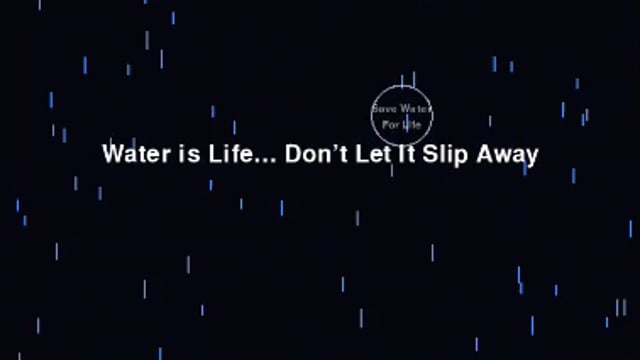
This project is a simple animation that shows a water drop falling from the top of the screen. When it hits the ground it breaks into small droplets, similar to real water in the nature. After that a message “save water” appears to remind people of the importance of practising water. The goal of this project is to raise awareness about water conservation in a simple and visual way. Raising an awareness of water through drops.

Identifier: #153
MOROCCO
Mohammed VI pour la Civilisation de l’Eau au Maroc
Resource Exhalation
Mohammed VI pour la Civilisation de l’Eau au Maroc. High school new high school - Ait Ourir. Amghar Romayssa
In this painting, the fountain no longer pumps water; instead, it has become a structure of wires bleeding angry tears. A pair of harsh human hands, bound by iron, holds the last threads of water and plays with them like a ball of wool in a scene that combines authenticity and the absurdity of control. It is a qualitative visual scream; water is not a toy between our fingers, but the spirit of heritage that we are about to suffocate.
Identifier: #152
ROMANIA
Aquatim, Water Museum Timisoara
Echoes of Water: A Living Legacy
Water Museum Timisoara, managed by AQUATIM. “Grigore Moisil” HighSchool Timișoara. Georgiana Stănescu.
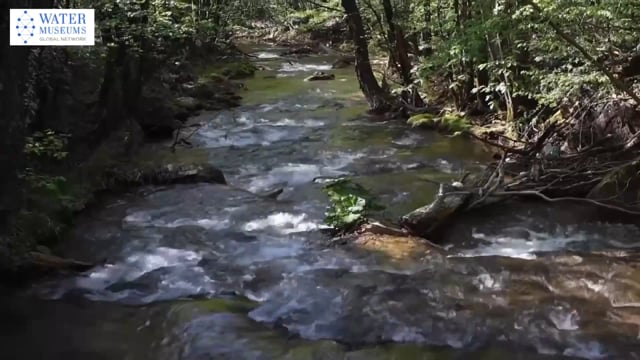
This video is a sensory journey into the heart of the Cheile Nerei-Beușnița National Park, where water is not merely a feature of the landscape, but the very living voice of nature. By weaving together the natural sounds of waterfalls with imagery of pristine rivers, the project highlights the fragility of this vital ecosystem. "Echoes of Water" is a call for awareness and responsibility: the water we want for the future depends on the respect and protection we provide today. It is our liquid legacy, a story that must continue to flow, untainted, for the generations to come.
Identifier: #151
ROMANIA
Aquatim, Water Museum Timisoara
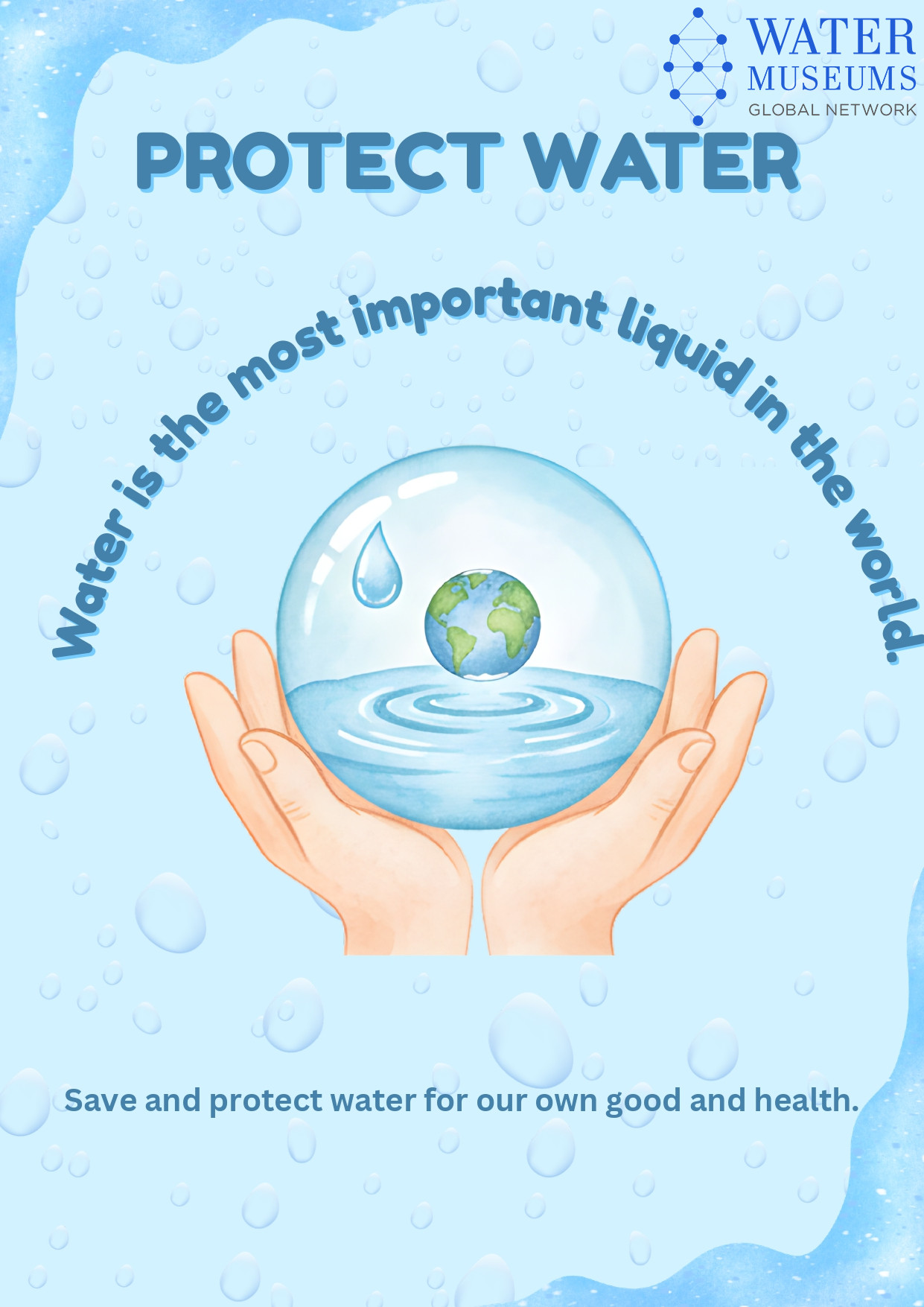
Water is the most important liquid in the world
Water Museum Timisoara, managed by AQUATIM. Secondary School Dumbrăvița. Timiș County. Karina Jebelean.
My work is a poster that highlights the importance of water and the need to preserve and protect it.
Identifier: #150
BRAZIL
Brazilian Water Museum
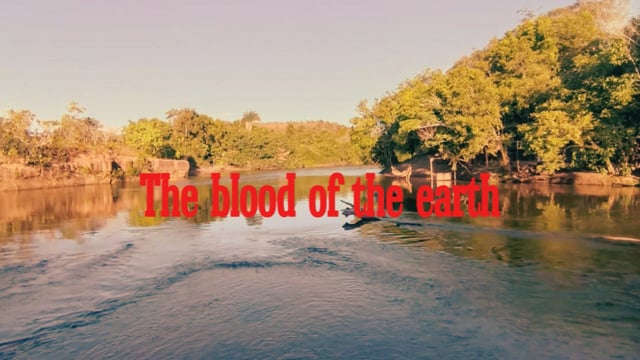
The Blood of the Earth
Brazilian Water Museum. State School Adá de Assis Teixeira, City: Goiatins (TO). Micayron Pereira Guimarães.
A sensitive and poetic way, water as the vital essence of the Earth, comparing it to the blood that flows silently through the planet’s depths. From hidden aquifers to great rivers like the Amazon
and the São Francisco, each water source is presented as a sacred link between nature and human survival. Water is not merely a resource, but a living heritage that sustains ecosystems, cultures, and the very future of humanity. At the same time, the work denounces humanity’s destructive actions, marked by relentless exploitation and the contamination of rivers and natural reserves. The “sludge of profit” symbolizes the degradation caused by greed, threatening the continuity of life and disrupting natural balance. There is an urgent call for collective awareness: caring for water is preserving existence itself. The repetition of the verses reinforces the idea that without rivers and springs, there is no possibility of flourishing. Thus, the text invites reflection and responsibility, reminding us that protecting water is ensuring that the future can still germinate as a seed of life and hope.
Identifier: #149
BRAZIL
Brazilian Water Museum
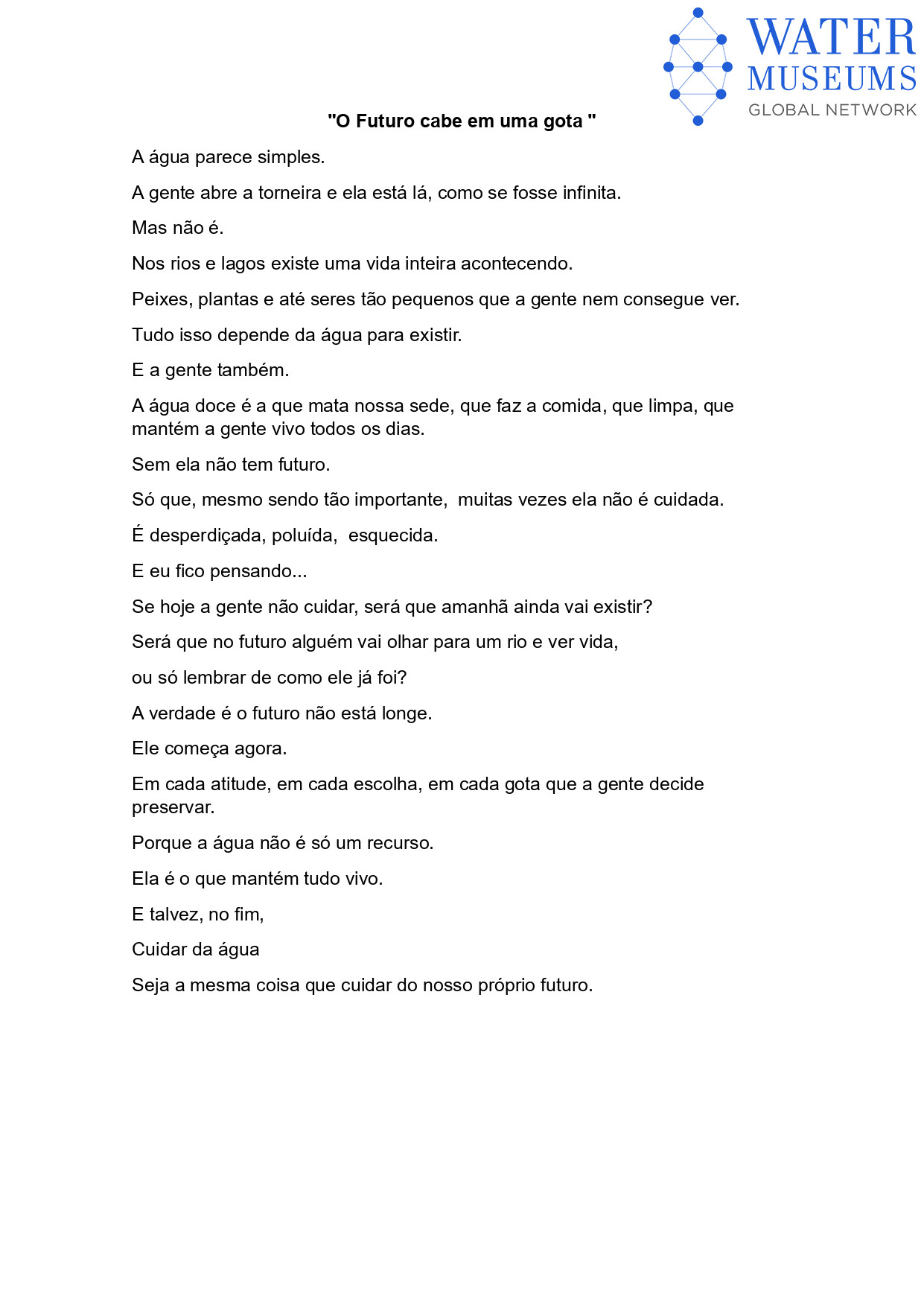
Treveling The Future Fits in a Drop
Brazilian Water Museum. Militar School of Tocantins Presidente Costa e Silva. City: Gurupi (TO). Gabriela Miranda Menezes.
The poem “The Future Fits in a Drop” presents a thoughtful reflection on the importance of water for life on Earth. The author highlights that although water seems abundant in daily life, it is a finite and essential resource for all living beings. The text emphasizes the connection between water and ecosystems, showing the biodiversity found in rivers and lakes, as well as its role in human activities. At the same time, it warns about waste and pollution, encouraging readers to rethink their actions. The central message reinforces that the future depends on present choices, promoting water preservation as a shared responsibility. Through poetic and reflective language, the work raises environmental awareness and inspires individual responsibility toward a sustainable future.

Identifier: #148
CANADA
Canadian Museum of Water
À la claire fontaine (reprise)
Canadian Museum of Water. École élémentaire catholique Ste-Croix, Lafontaine, Ontario
Student/Class: Classe de Mme Nicole Bracnik, 7th-8th grade
Created by Grade 7 and 8 students from École élémentaire catholique Sainte-Croix in Tiny, Ontario, this collective work reimagines the traditional song “À la claire fontaine” as a call to protect freshwater. By transforming a familiar cultural melody, the students bridge past and present to confront urgent environmental realities. Their lyrics give voice to the growing threats of climate change and pollution, and their impact on ecosystems and biodiversity. Rooted in both cultural and environmental heritage, the piece reflects on the legacy we are shaping—and leaving behind—for future generations. It is both a warning and an invitation: to listen, to reflect, and to act in order to safeguard this vital resource.
Identifier: #147
ECUADOR
Yaku Parque Museo del Agua
Our Sacred Water
Yaku Parque Museo del Agua, Quito. Home Schooling Academy (Homeschool modality), Quito. Renata Navarrete Almeida.
The year is 3026. Water is scare, the Andean paramos, once natural sources of water, are now deserts, and lagoons exist only in legends. But all is not lost. The brave Odmart and her inseparable companion Sky have travelled back in time to 2026 to teach us how to care for water sources while marvelling at the natural treasures they only knew from stories.
Identifier: #146
SPAIN
Museos de Mequinenza
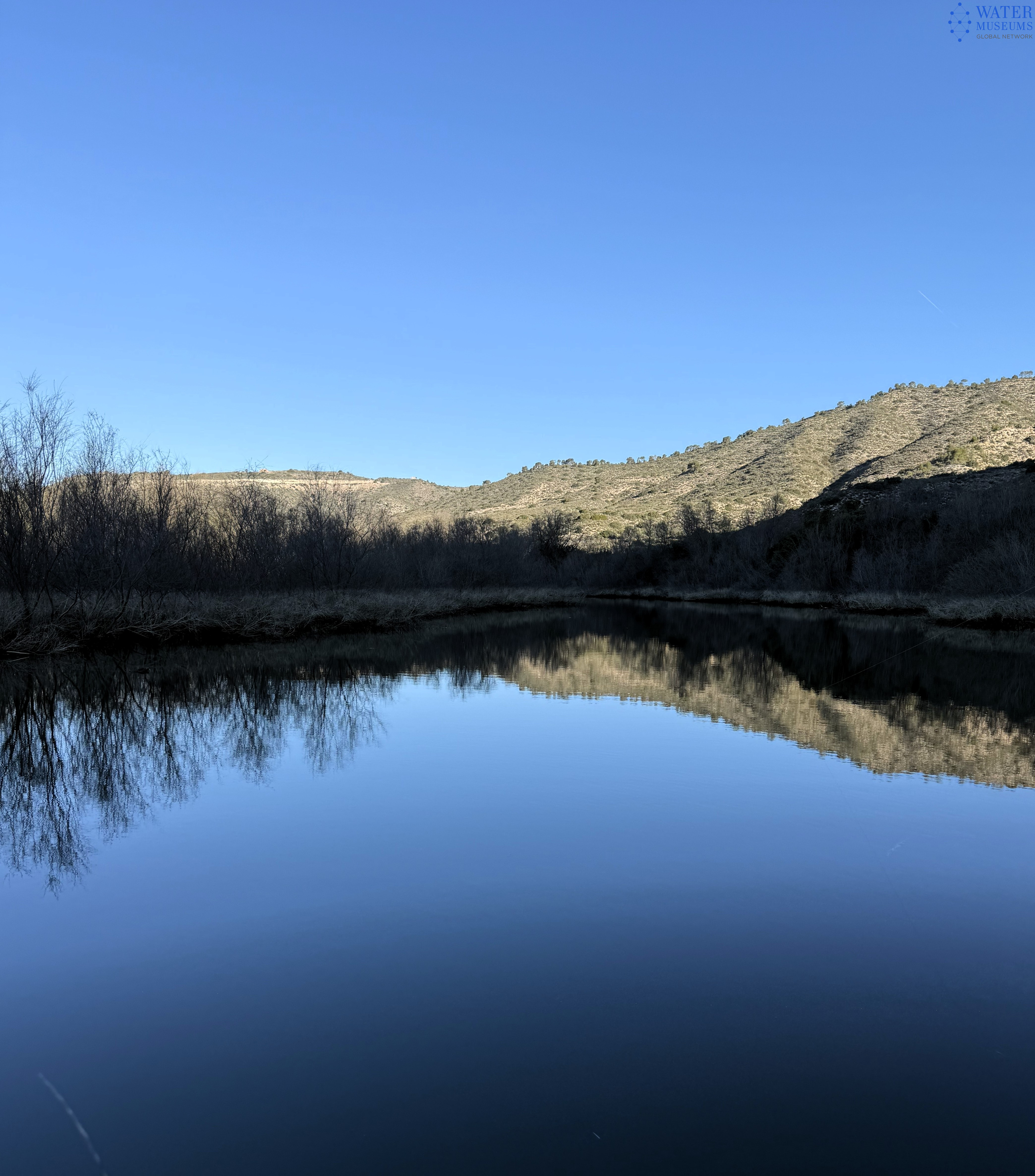
Reflections of Tomorrow
Museos de Mequinenza, Spain. Mequinenza, Spain. Carlos Daniel Parteni .
Reflections of Tomorrow captures the stillness of water as a mirror between nature and the future. The calm surface reflects the hills, trees, and sky, creating a sense of balance and harmony that reminds us of the deep connection between water and the environment. This image symbolizes how water preserves life, landscapes, and memory. Its quiet reflection invites viewers to think about the consequences of human activity on fragile ecosystems. Climate change, water scarcity, and environmental degradation threaten these natural spaces that appear timeless and untouched. Through symmetry, this image encourages us to see water not only as a natural resource, but as a reflection of our responsibility toward future.
Identifier: #145
SPAIN
Museos de Mequinenza
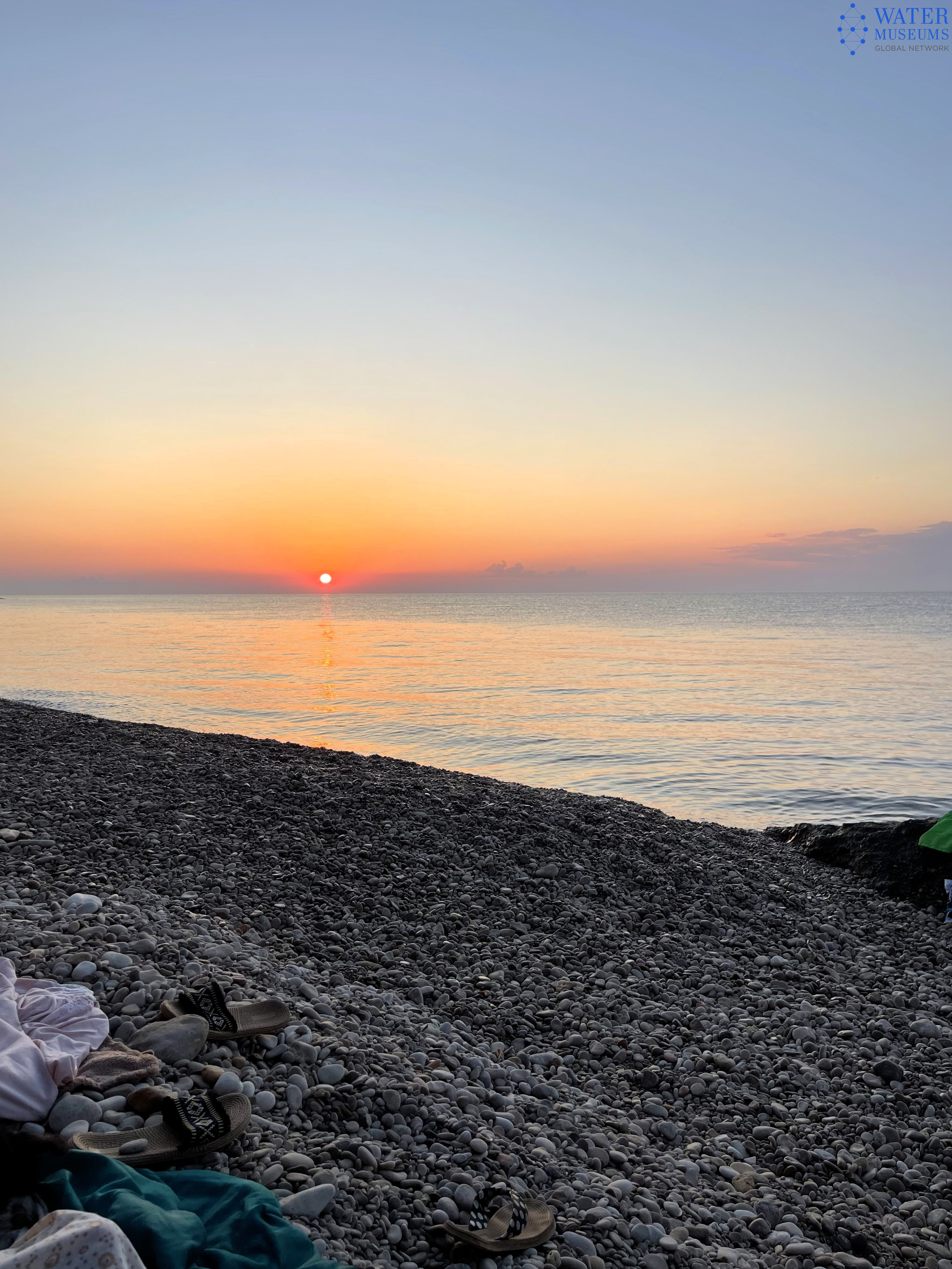
Water holds the last light
Museos de Mequinenza, Spain. Mequinenza, Spain. Dylan Javier Granged Molleda.
Water Holds the Last Light captures a moment of calm where the sea and sky meet in silence at sunset. The fading sunlight reflected on the water reminds us that oceans are more than landscapes — they are sources of life, balance, and hope.
This photograph represents the fragile relationship between humanity and water. The peaceful horizon contrasts with the growing environmental threats facing marine ecosystems: pollution, climate change, and the loss of biodiversity. Despite these challenges, the image also conveys resilience and possibility.
The last light of the day symbolizes both a warning and an opportunity. Water connects people, nature, and future generations, and its preservation depends on the choices we make today. Through simplicity and stillness, this image invites viewers to reflect on the importance of protecting our oceans and valuing water not only as a resource, but as a shared responsibility.
Identifier: #144
ROMANIA
“Leonida Truta” Water Museum
Water – A resource in danger
“Leonida Truta” Water Museum, Cluj-Napoca, Romania. “Liceul Teoretic Liviu Rebreanu” College, Turda. Torok Erika Alexandra.
Time flows like water...and waits for no one. Water is the beggining for all things: without water there is no life, only silence. We forget that the water we polute is the same one we drink, but in one day water won’t be a right but a luxury. Water isn’t in danger, we are! The question is not how much time we have left, but what we choose to do with it.
Identifier: #142
CHINA
National Water Museum of China
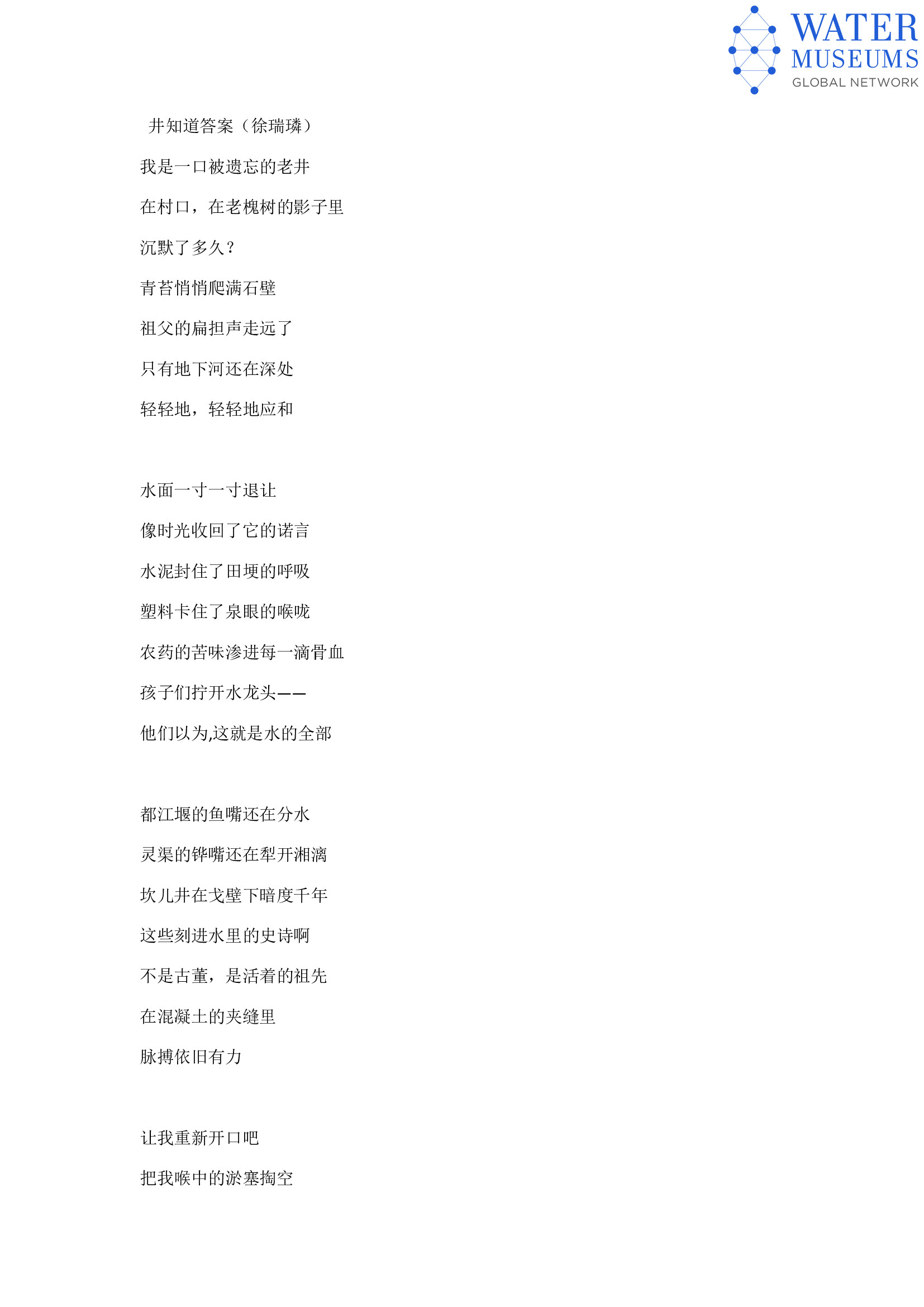
The well knows the answer
National Water Museum of China, China. Hangzhou Yongjin Experiental School, Hangzhou. Xu Ruilin.
This modern poem takes a forgotten old well as its core image, born from the context of rural ecological changes and water resource issues in contemporary times. As urbanization advances, cement, plastic pollution, and pesticides have damaged traditional water cycles, leaving old wells abandoned as symbols of the rift between civilization and nature.
Through the well’s monologue, the poem traces the water heritage of ancient projects like Dujiangyan, criticizes modern harm to nature, and expresses a longing for the natural cycle where water “knows its way home.” It calls for ecological restoration and cherishing water resources, urging people to reconnect with nature and the roots of rural civilization.
Identifier: #141
CHINA
National Water Museum of China
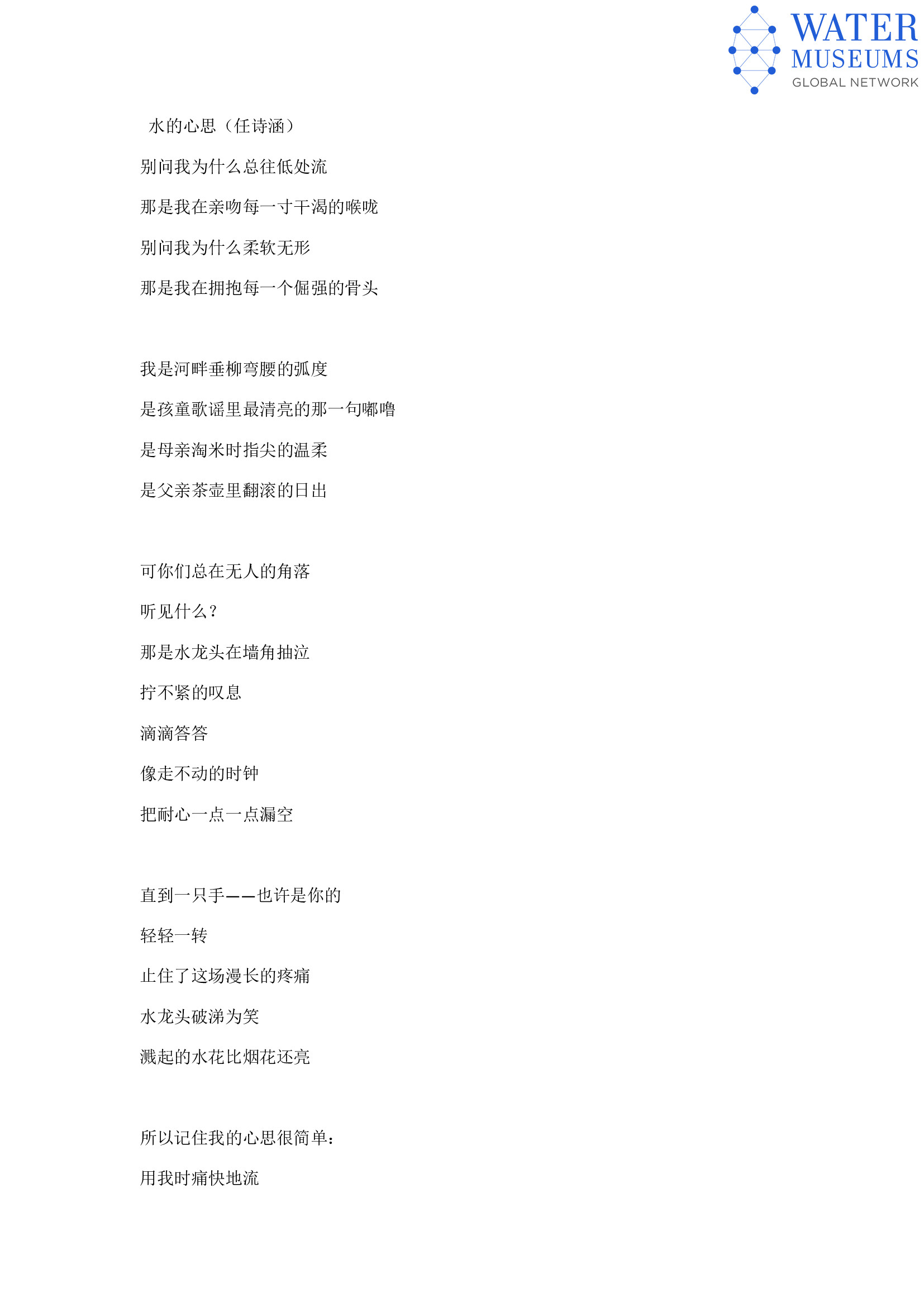
The Whisper of Water
National Water Museum of China, China. Xiaoshan District Daicun Town Central Primary School. Ren Shihan.
This poem personifies water as a living being with tender emotions. It links water to warm daily life scenes while lamenting water waste from leaking taps. The work calls on people to save water with small actions and respect water’s simple wish. It expresses the idea that cherishing every drop of water can bring vitality to the earth, and build a harmonious blue home for humans and nature. It conveys young people’s sincere longing for water protection and eco-friendly living.
Identifier: #139
ITALY
Water Museum of Venice
The Drop: a container of Life
Water Museum of Venice, Italy. I.C. "G. Gabrieli”, middle school "L. Da Vinci" Mirano, V. Class: 1^F.
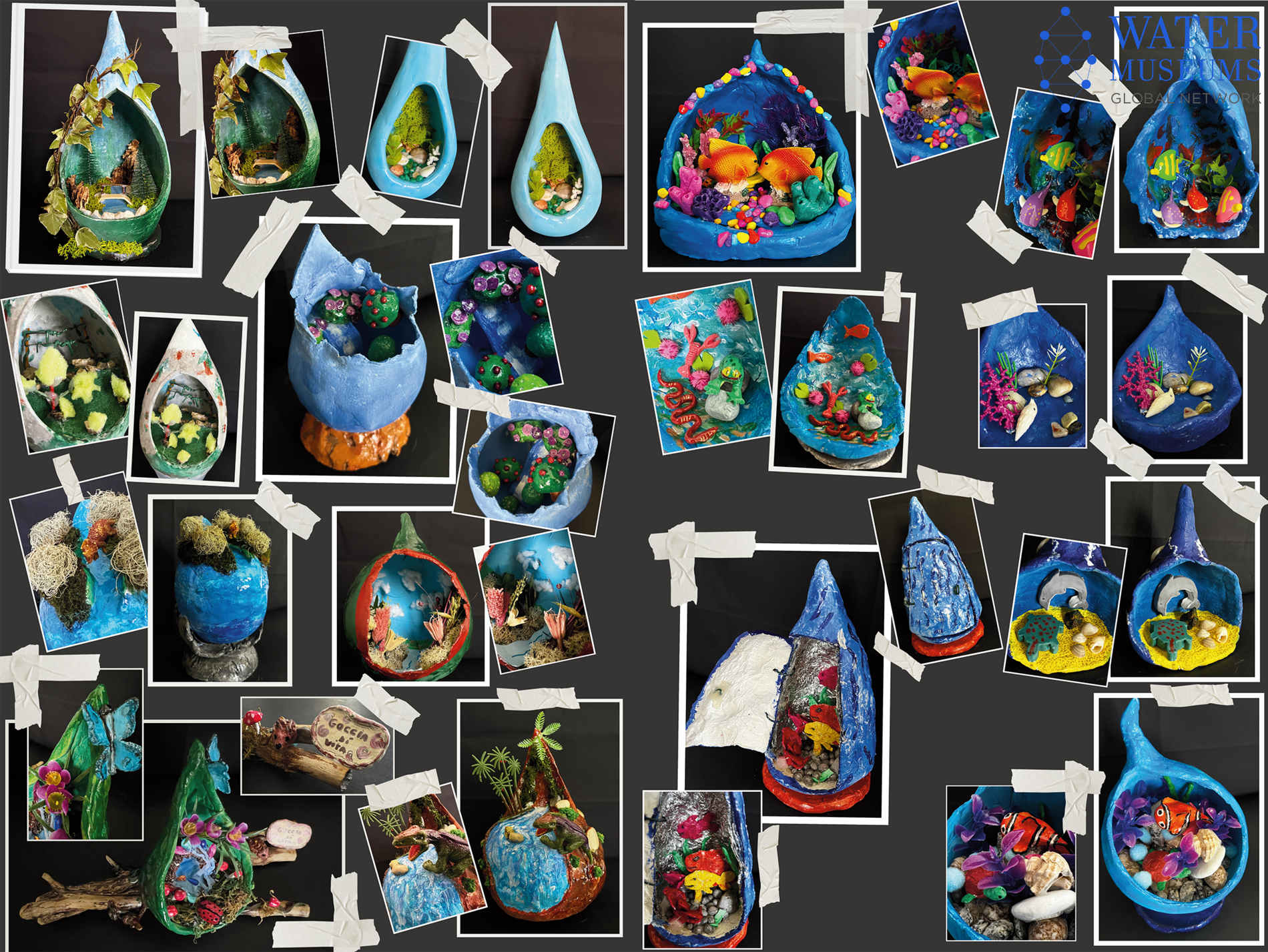
The project is based on the idea that water is not just an element, it is the "home" and the protection of every form of life. Without its shell (clean water), the life inside it dies. In fact, water is essential not only for humans but also for the survival of many species of plants and animals. For this reason, it must be protected and preserved.
The value of water is expressed in the students' work through small sculptures shaped like a drop of water. These act as a "container of life", a small treasure chest that holds: an "earthly embrace", where water is the ancient cradle supporting life, including various flowers, small green trees, ferns, moss and a tiny stream or a marine ecosystem, featuring fish, coral, green algae and tiny sea anemones.
Materials and process: the students created these works by shaping Das (modelling clay), adding plant and animal elements, painting them with tempera colors and finishing them with a glossy spray varnish.
Identifier: #138
PORTUGAL
Lisbon Water Museum
The importance of water
Lisbon Water Museum, Portugal. Escola Secundária Viriato (Viseu). Eva Rosa, Filipa Marques, Maria Emma Weigandt.
Freshwater is a fundamental natural resource for life on planet Earth. Although it exist in smaller quantities than salt water, it’s indispensable for humans, animals and plants and the proper functioning of the ecosystems. Over time the increase in population and human activities has led to great exploitation of water resources. The discharge of industrial, agricultural and domestic waste has contributed to water pollution, harming its quality. This situation negatively affects aquatic ecosystems, reduces biodiversity and puts the health of population at risk due to the decrease of potable water. This work aims to address the main causes of water pollution, its consequences for the environment and society, as well as highlight the importance of adopting responsible attitudes for the future. Preserving this resource is essential to guarantee a sustainable future for the next generations.
Identifier: #136
INDIA
Living Waters Museum
Bubbles of Life in Weary Hands
Living Waters Museum. Modern High School, Kolkata. Mariam Saba.
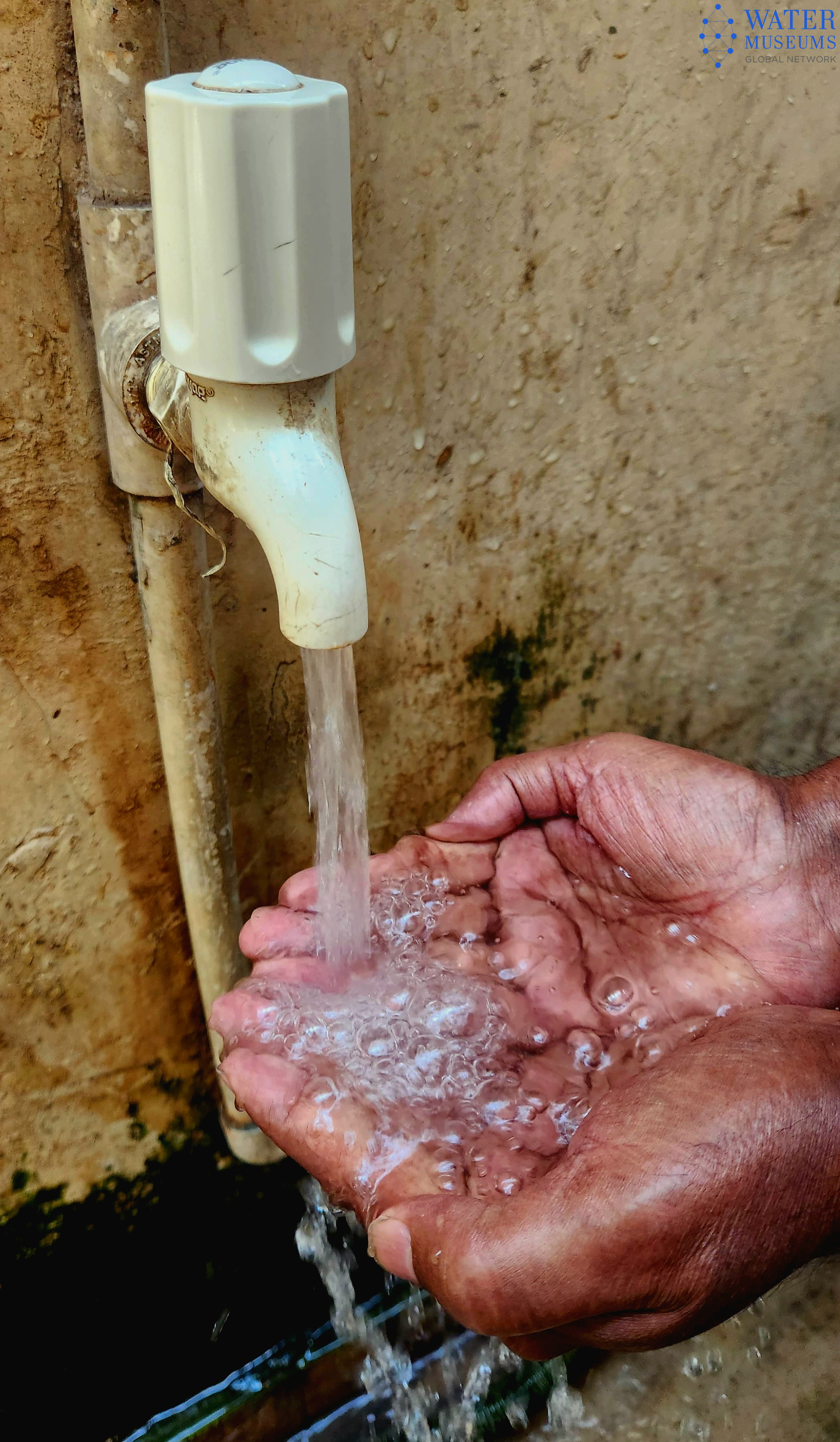
Bubbles of Life in Weary Hands captures a quiet but meaningful moment. It represents a pair of hands held beneath a tap in a place where clean water is scarce. The water seems to be flowing to form delicate bubbles that rest on the skin before they disappear. These bubbles are a symbol of life itself. Life is fragile, fleeting, yet full of hope. In a place where every drop is precious, they reflect the dreams, resilience and quiet patience of those who depend on uncertain access to clean water. While water sustains life, access to clean water is still a privilege for many. Clean water should not depend on geography, wealth, or status. This image hopes to portray the aspirations of all individuals who deserve this basic necessity but have a hard time trying to obtain it. The weary hands are not just receiving water: they are holding onto hope.
Identifier: #135
ITALY
Autonomous Province of Trento
A Water Journey
Autonomous Province of Trento, Italy. IC Trento 3 – Scuola Primaria “Nicolodi”. Classe 4 B.
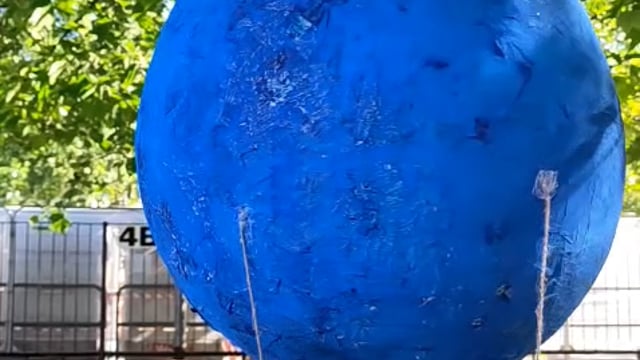
We are the 4th grade of Nicolodi Primary School. In our work “A Water Journey” we wanted to celebrate the importance of water by showing its crucial role in human progress. Water allows us to travel far in our knowledge and appreciation of life and its wonders. We created a giant water drop that is an hot air balloon that will take us far! We hope in a greater respect for springs, streams, creeks, rivers, lakes, seas and ocean. We should respect what gives us life!
Identifier: #134
MEXICO
Iurhekua Interactive Water Museum
The Uruapan we Desire
Iurhekua Interactive Water Museum, Mexico. UMSNH. Ana Guadalupe Pineda Rodríguez.
The video is a reflection on the current state of Uruapan, with the aim on ensuring that the municipality becomes rich in both water and nature once again.

Identifier: #132
MEXICO
Iurhekua Interactive Water Museum
Flow of Life
Iurhekua Interactive Water Museum, Mexico. ICEP, Uruapan. Eowyn Yamilet Abad Hernandez.
This project shows the flow of water and the beauty with which it is preserved, encompassing equally the pollution and disappearance of water and its acosystem.
Identifier: #130
ITALY
Ecomuseo delle Judicarie
Water for Us, Us for Water
Ecomuseo delle Judicarie, Italy. Primary School Campo, 3A and 3B
The book "Water for Us, Us for Water" is the result of the two-year "Open-Air Classes" project, conducted by students of Campo Primary School. The goal was to explore the Lomaso plain, initially analyzed from a naturalistic and anthropic perspective, and then through a historical and interdisciplinary lens focused on water.
The project combined science, geography, and art: the students studied the agricultural and everyday use of water resources, combining technical analysis with poetic and emotional reflection. The contribution of the local community was crucial: experts from the irrigation consortium demonstrated the functioning of the irrigation systems in the field, while the Rasini family allowed the children to collect and work clay from the Rezzola stream near Castel Campo, then learning how to clean and work it into original artistic creations. This "big book" is not just a teaching diary, but an active testimony to the connection between school and the local area. Highlighted during the Shrimp Festival in Ponte Arche, the project also inspired the Ecological Day, involving the entire Campo Lomaso school complex in an environmental awareness initiative that draws on the historical and natural roots of its land.
Identifier: #118
BRAZIL
Brazilian Water Museum
The water we want is the water we take care of
Brazilian Water Museum. State School Manoel Vicente Souza/ Augustinópolis (Tocantins). Verônica Heloísa Brito França.
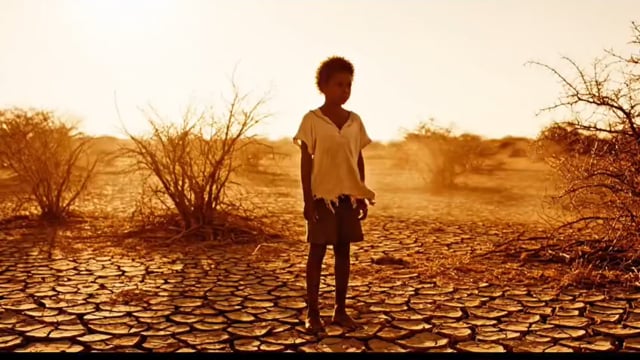
If we do not take care of the water, we will not live, for without it there is no life.
Identifier: #117
BRAZIL
Brazilian Water Museum
Water, the essence of life
Brazilian Water Museum. State School Manoel Vicente Souza/ Augustinópolis (Tocantins). Cibelle de Sousa.
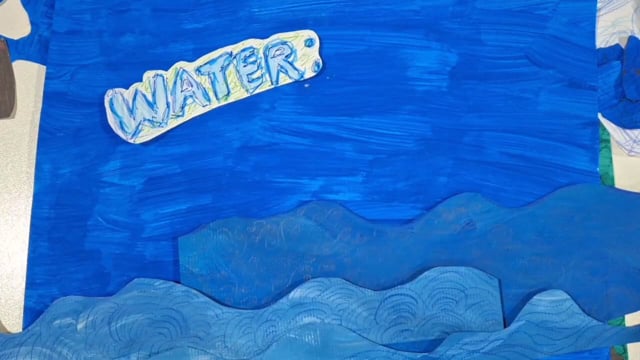
Life on Earth begins with a single drop. Water is the foundation of life in all its forms: people, animals, plants.. Everything depends on it; it is the essence of life.
Identifier: #116
SLOVENIA
Posavje Museum Brežice
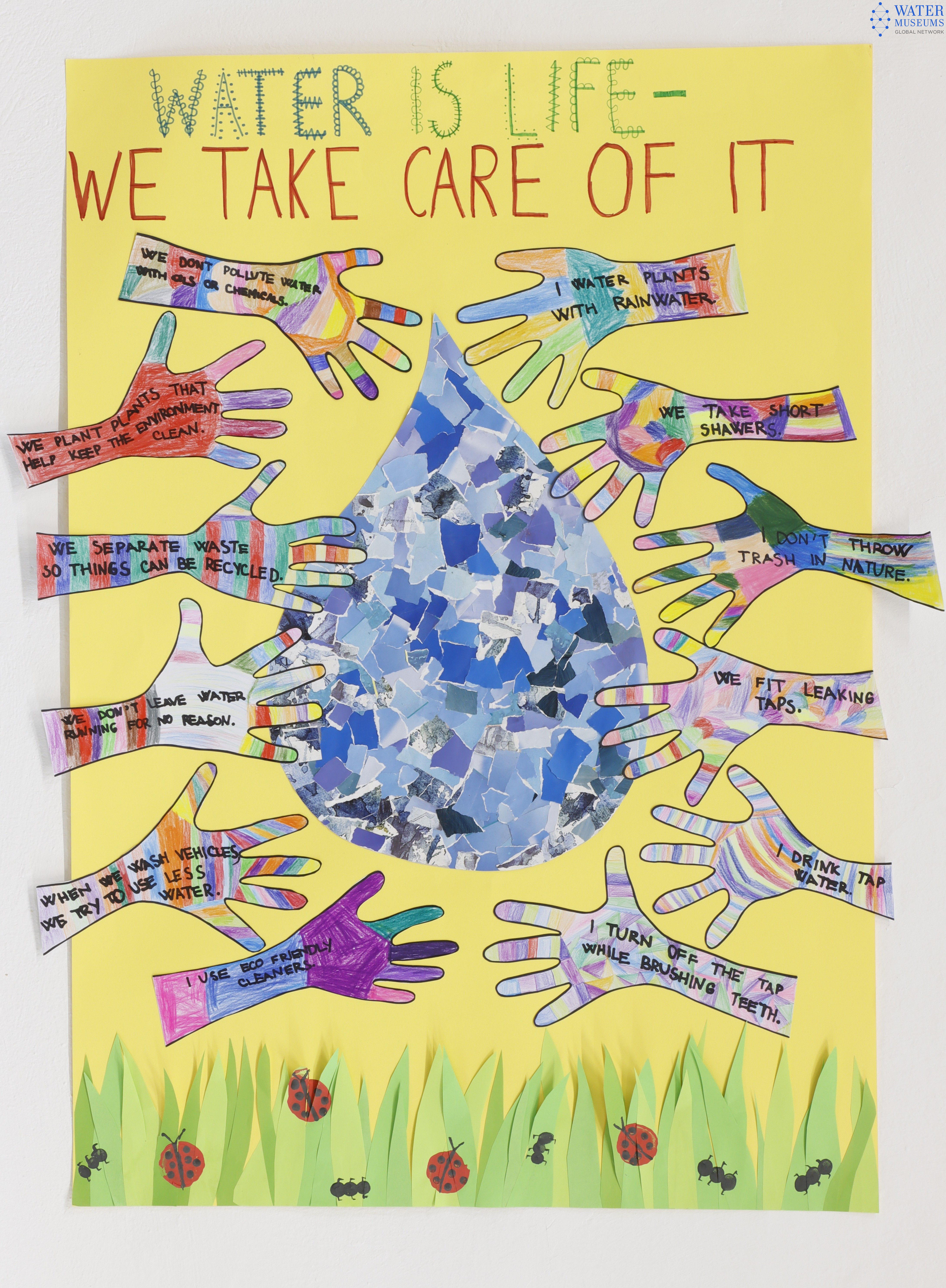
Water is Life – We take care of it
Posavje Museum Brežice, Slovenia. Primary School Savo Kladnik Sevnica, Loka pri Zidanem Mostu branch school, Loka pri Zidanem Mostu. 28 students, 1st - 5th Class (6-11 years)
The artwork titled Water is Life – We take care of it highlights the importance of water as a fundamental source of life and the responsibility of each individual to protect it. The central motif of the poster is a large water drop, symbolizing purity, life, and the fragility of water resources. The drop is surrounded by hands representing collective human effort, each containing messages that describe different ways we can contribute to preserving water and the environment. The texts in English emphasize concrete everyday actions such as saving water, recycling, and using eco-friendly cleaning products, watering plants with rainwater, and preventing pollution. The lower part of the poster, featuring green grass, symbolizes nature, which we keep healthy and alive through responsible behaviour. The artwork encourages awareness that even small actions matter and that together we can make a significant contribution to a sustainable future. The visual design is clear and meaningful, with a strong focus on cooperation, environmental care, and respect for natural resources.
Identifier: #114
SPAIN
Museos de Mequinenza
A river’s hidden heart
Museos de Mequinenza, Spain. Mequinenza, Spain. Ionut Mihai Marchidan.
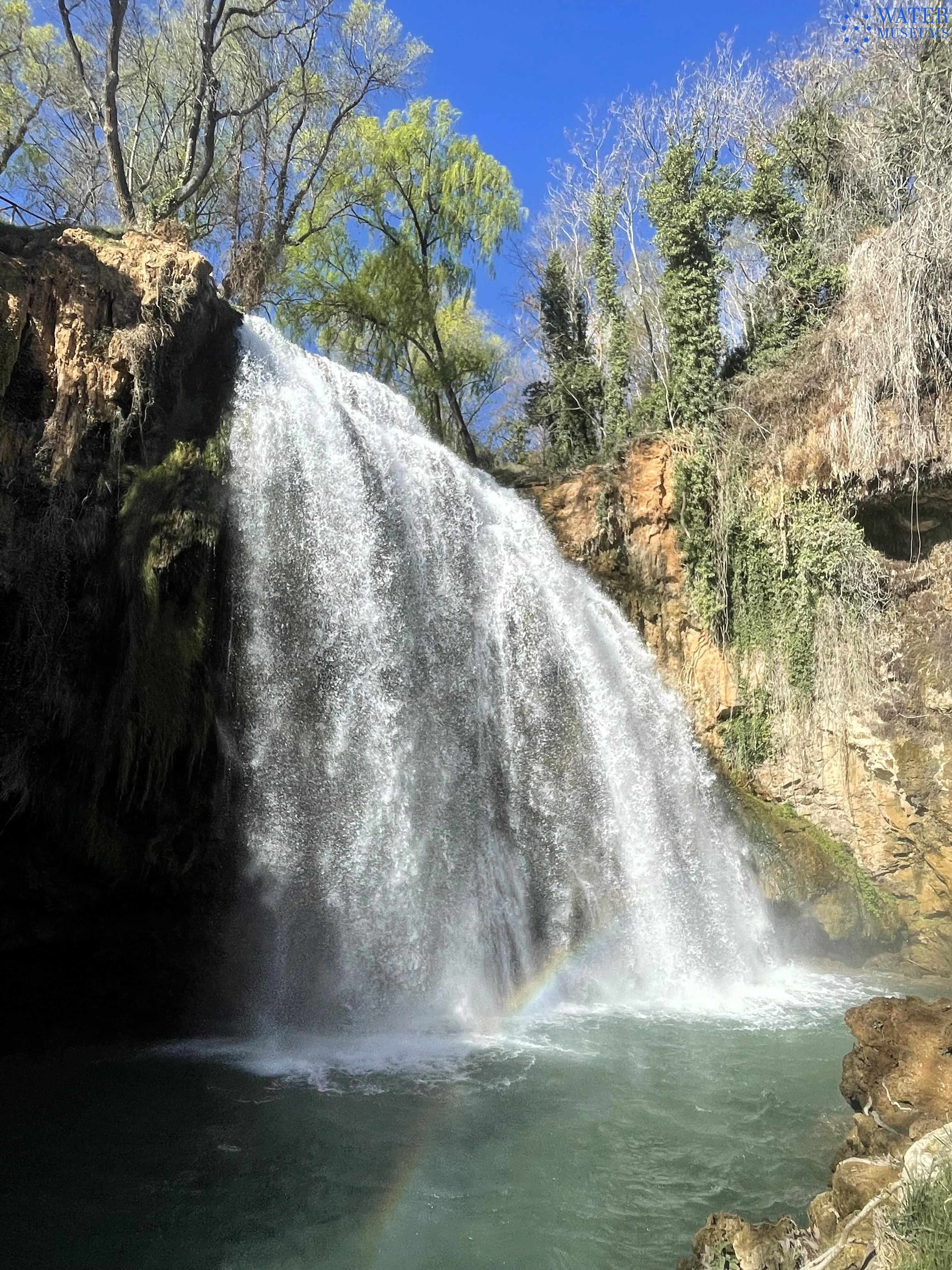
A River’s Hidden Heart reveals the quiet strength and beauty of freshwater ecosystems. The waterfall, surrounded by rocks and trees, represents the natural cycle that sustains life and connects landscapes, wildlife, and people. Beneath its peaceful appearance lies the essential role that rivers play in providing clean water, preserving biodiversity, and maintaining ecological balance. The rainbow formed by the mist symbolizes hope and harmony between nature and humanity. However, this beauty is fragile. Freshwater sources around the world are increasingly threatened by pollution, droughts, climate change, and overexploitation. What seems eternal can disappear if not protected.
This photograph invites viewers to look beyond the surface and recognize water as the hidden heart of our planet. Rivers are not only physical landscapes; they are living systems that nourish communities and future generations. Protecting them means protecting life itself. Through movement, light, and nature, the image reminds us that every drop of water carries both power and responsibility.
Identifier: #108
ROMANIA
House of Water Museum Târgu Mureș
The Flowing River
House of Water Museum, Romania. Secondary School no. 1, Luduș city. Hada Cosmina.
Soundtrack: G.F. Handel – ”Water Music”.
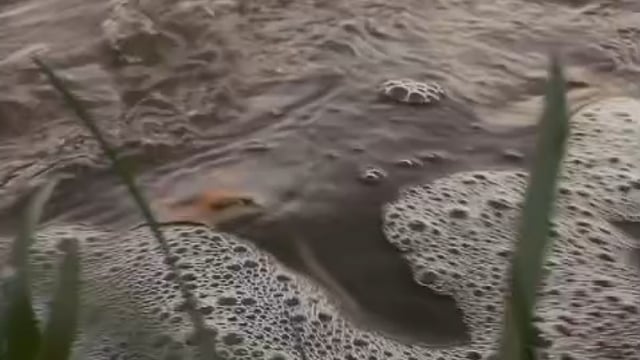
The script on the video is a poem by Margaret Atwood called Water. Most of the video shows Mureș river flowing in my home village (Chețani). Muddy, clean, at sunset … and a few photos I have taken in other places with clear water (the water I dream of) as opposed to muddy.
MAIN PARTNER YEAR 2026